My First Job
Ex-banker, children’s author, storytelling mama, and lifelong lover of myth and magic.
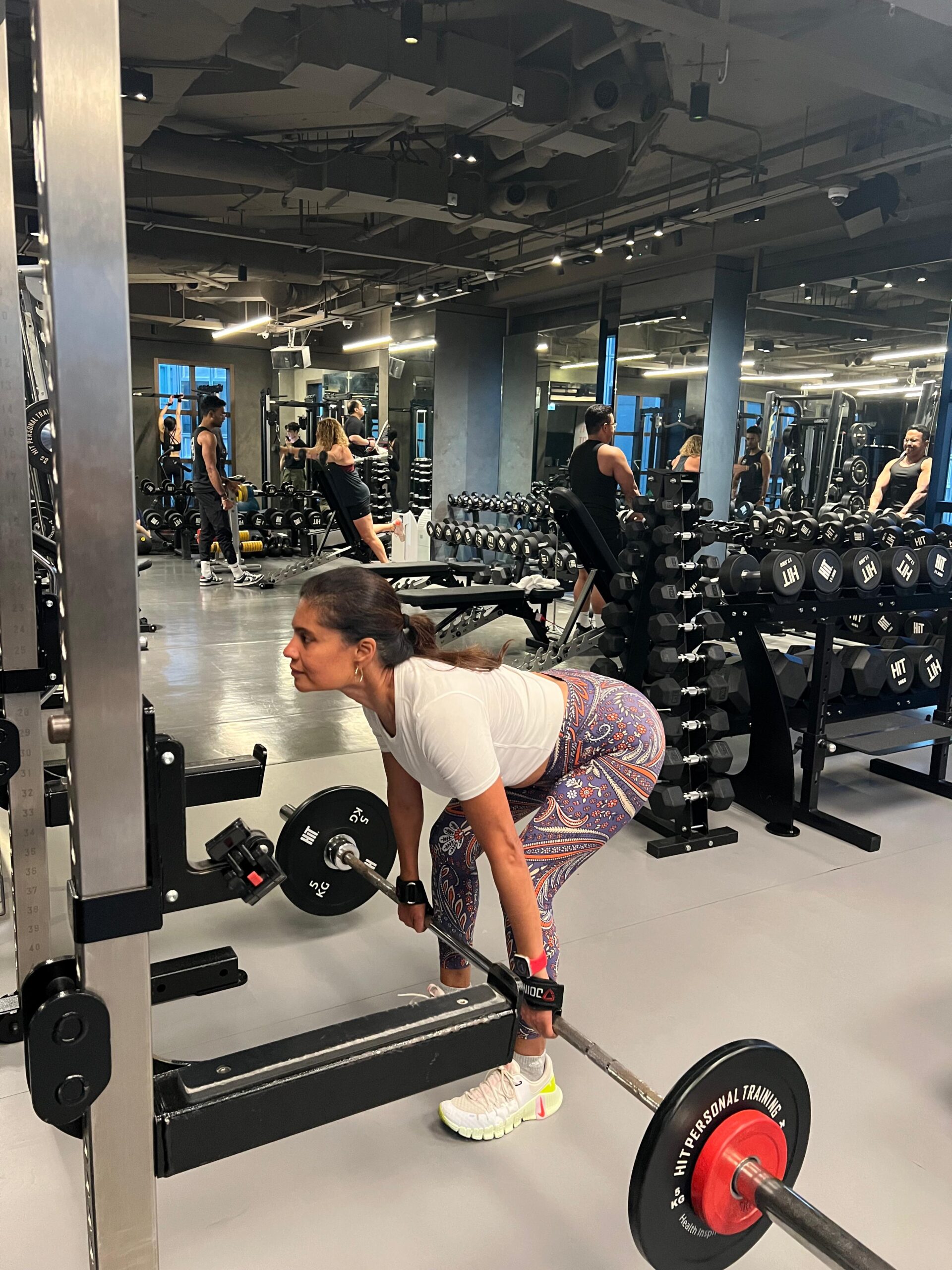
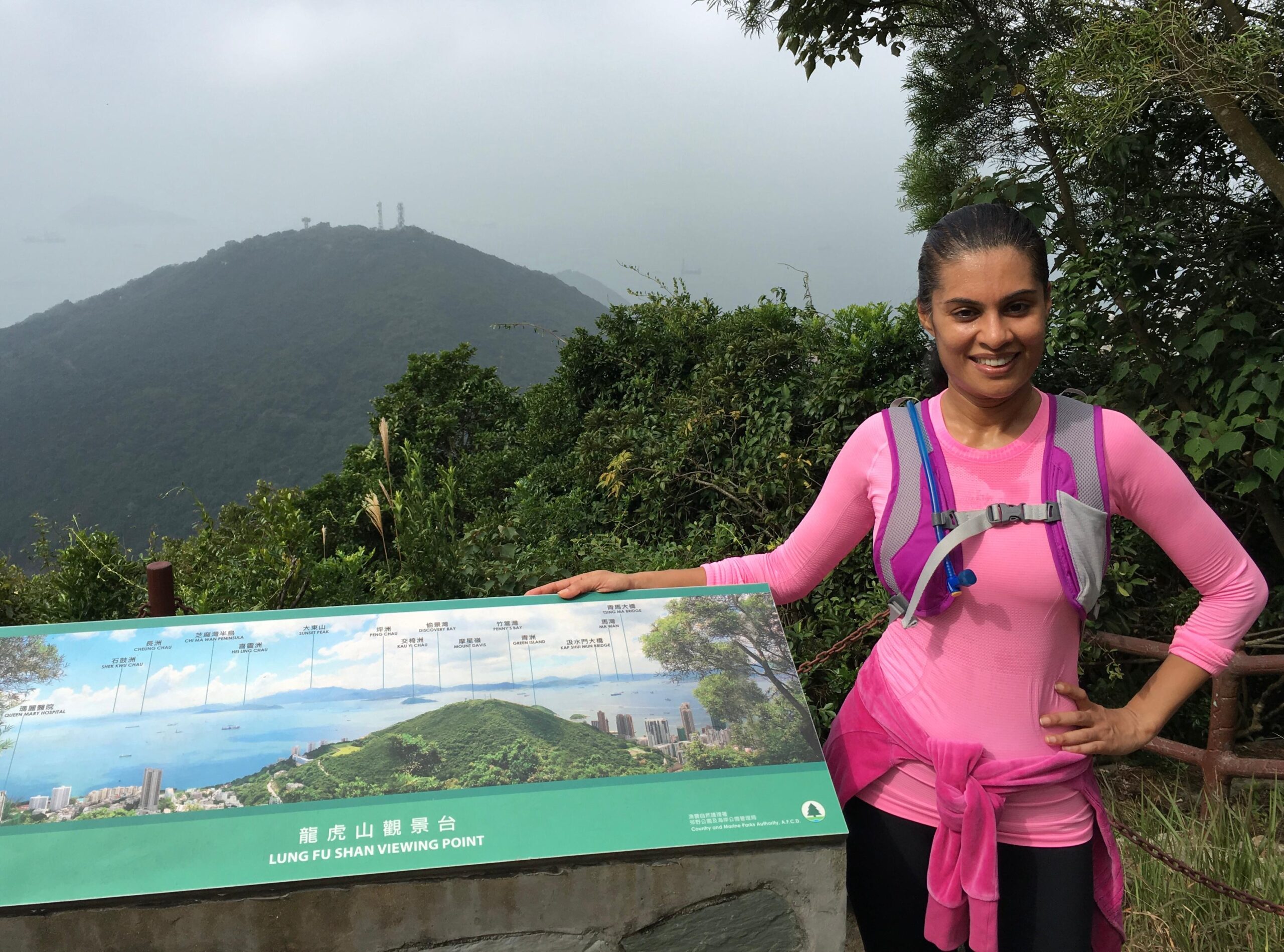
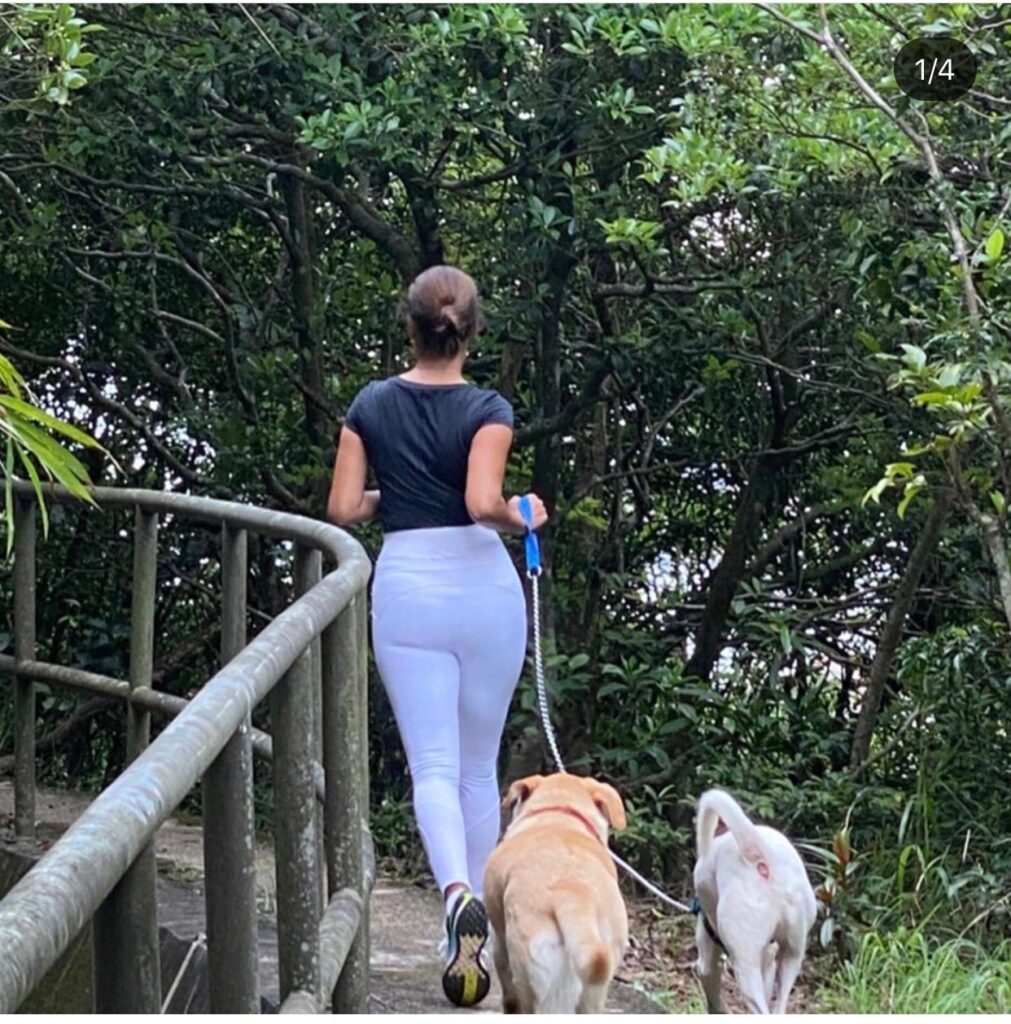
Very into: colourful festivals, long hikes, and stories that pass through generations.
Gave up private-banking job for storyboards—and never looked back.
Executive Coach
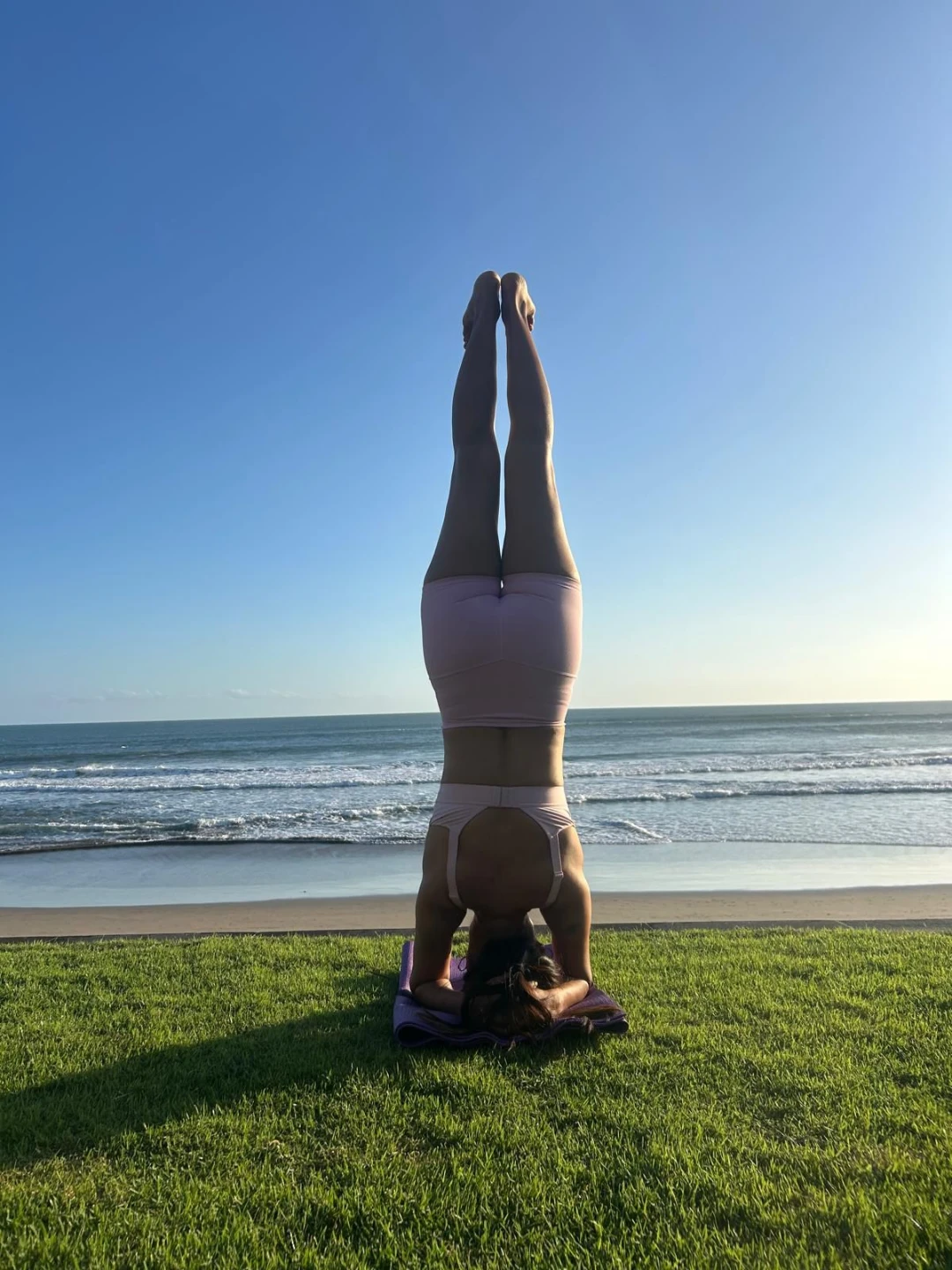
YOGA Teacher
Journalist
When I was a little girl growing up in New Delhi in the late 1970s, I would come home from school, drop my bag, and spend hours listening to stories—tales of goddesses, warriors, demons, and the magic that lived between them. They were narrated to me by Bhagwan (not God himself, but a wonderful storyteller who made the divine feel close and real) — my nani. Those afternoons planted seeds I didn’t even realize would one day grow into my life’s work.
Hi,
My path didn’t start with storytelling. For over two decades, I worked as a private banker—22 years immersed in the global firms. But somewhere along the way, my heart began to tug in another direction.
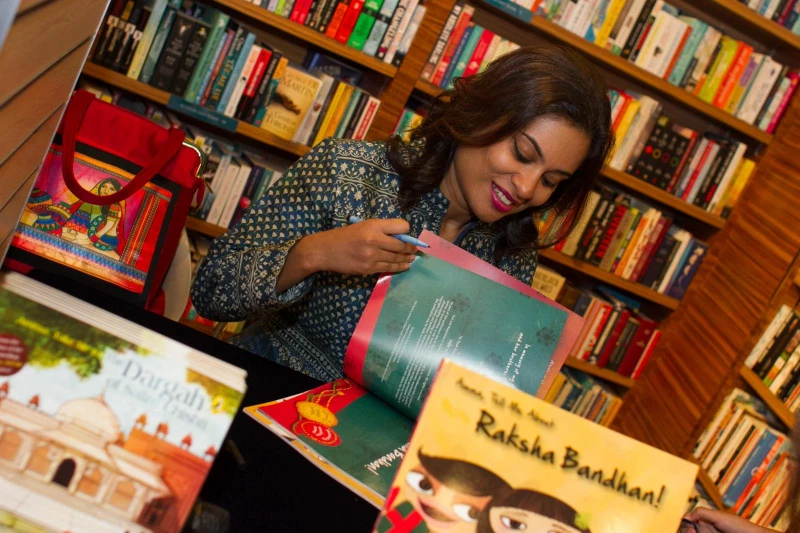
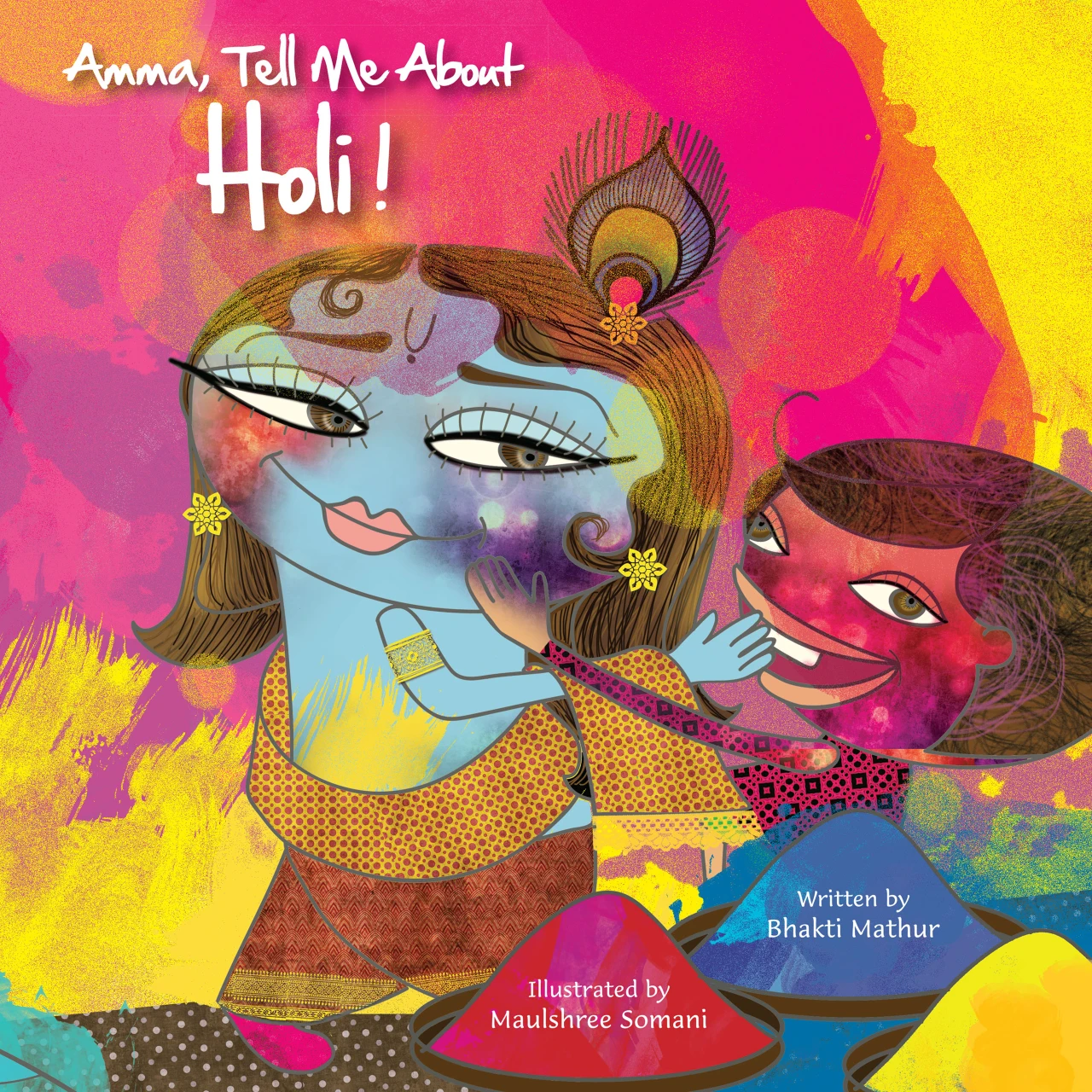
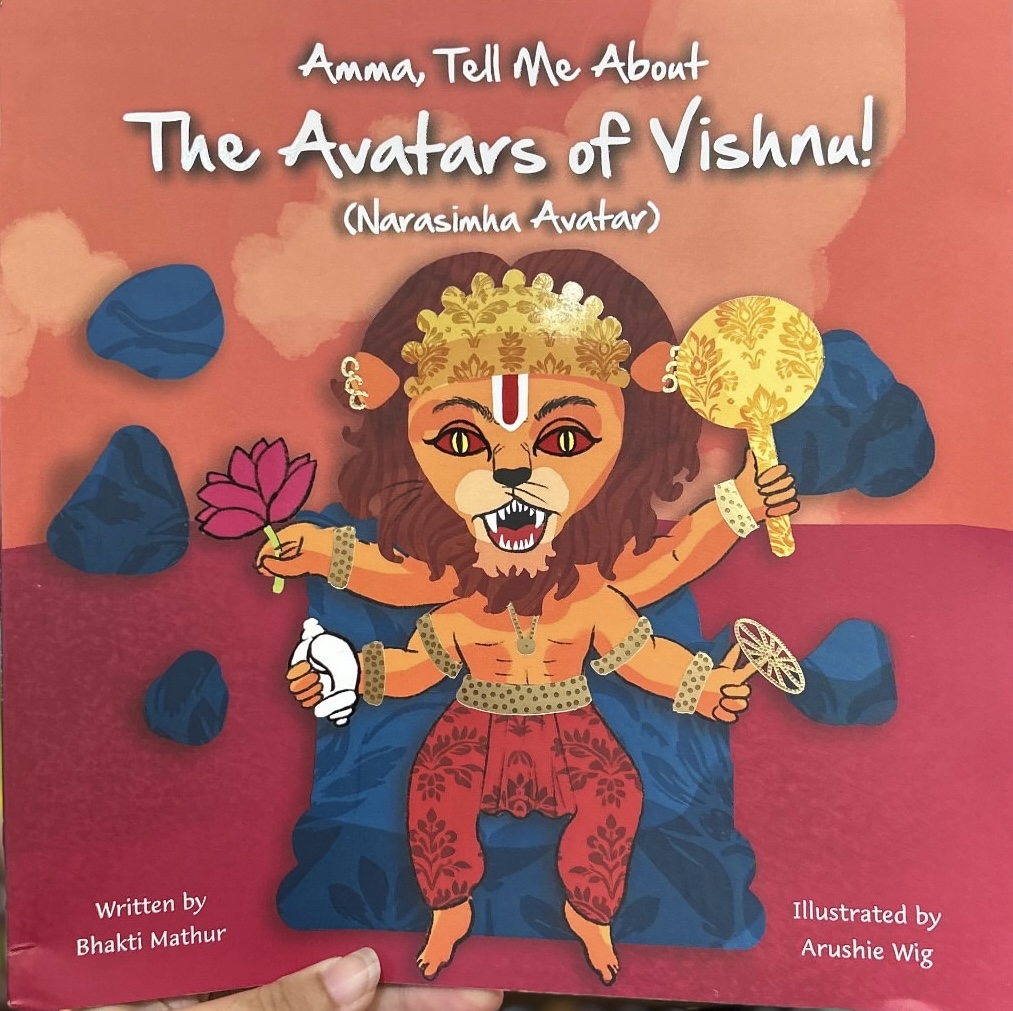
In 2010, I took a leap of faith and started my own publishing house, Anjana Publishing—named after Anjana, the mother of my favourite Hindu god, Hanuman. It was a whole new world for me. I learned everything—from researching history to printing, marketing, and even distributing books on my own. Slowly, I shifted from my banking job to storytelling—and I haven’t looked back since.
Since then, I’ve written Amma Take Me, a spin-off series published by Puffin India that takes children to historic places of worship. I’ve hosted countless storytelling sessions, spoken at literary festivals across India, Hong Kong, Singapore, and the USA, and even found my voice as a culture and health & fitness feature writer for the South China Morning Post. Somewhere along the way, I also discovered another passion—helping people grow—and began my journey as an executive coach.
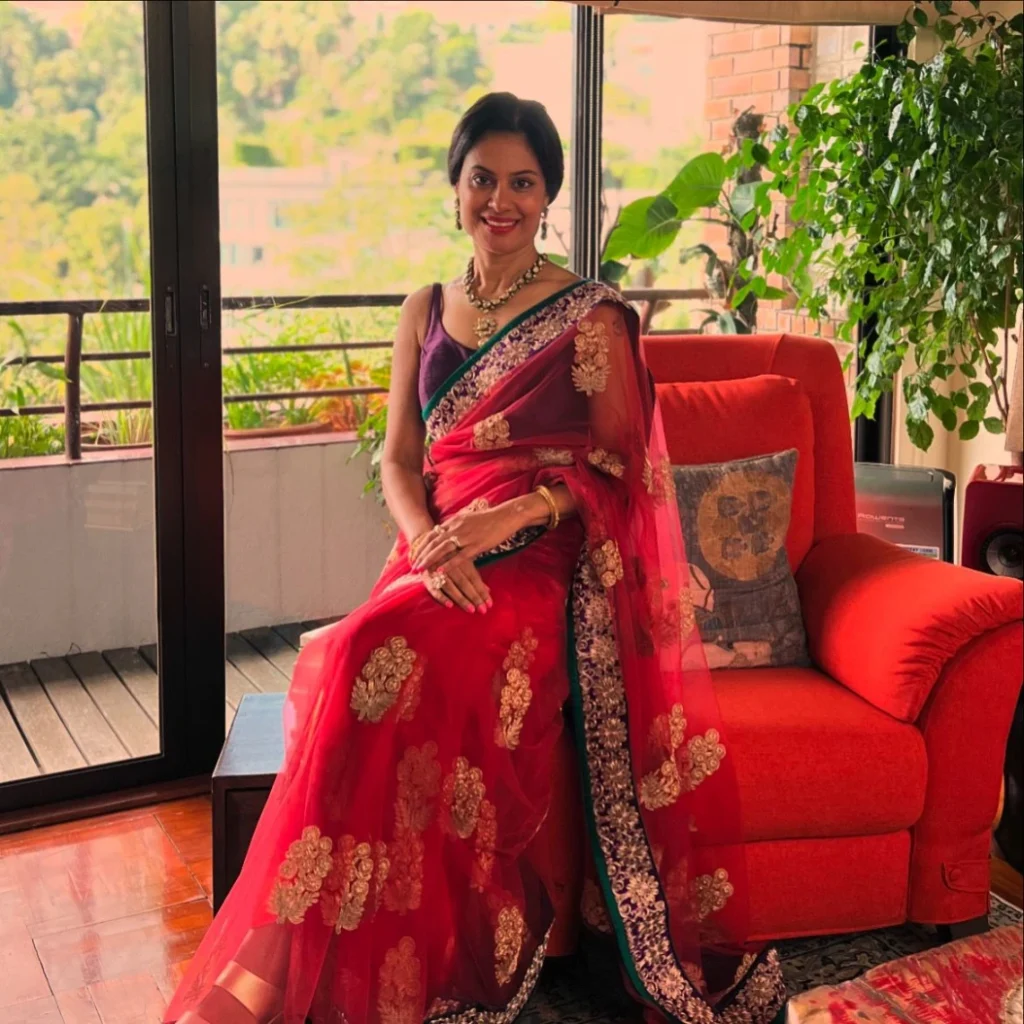
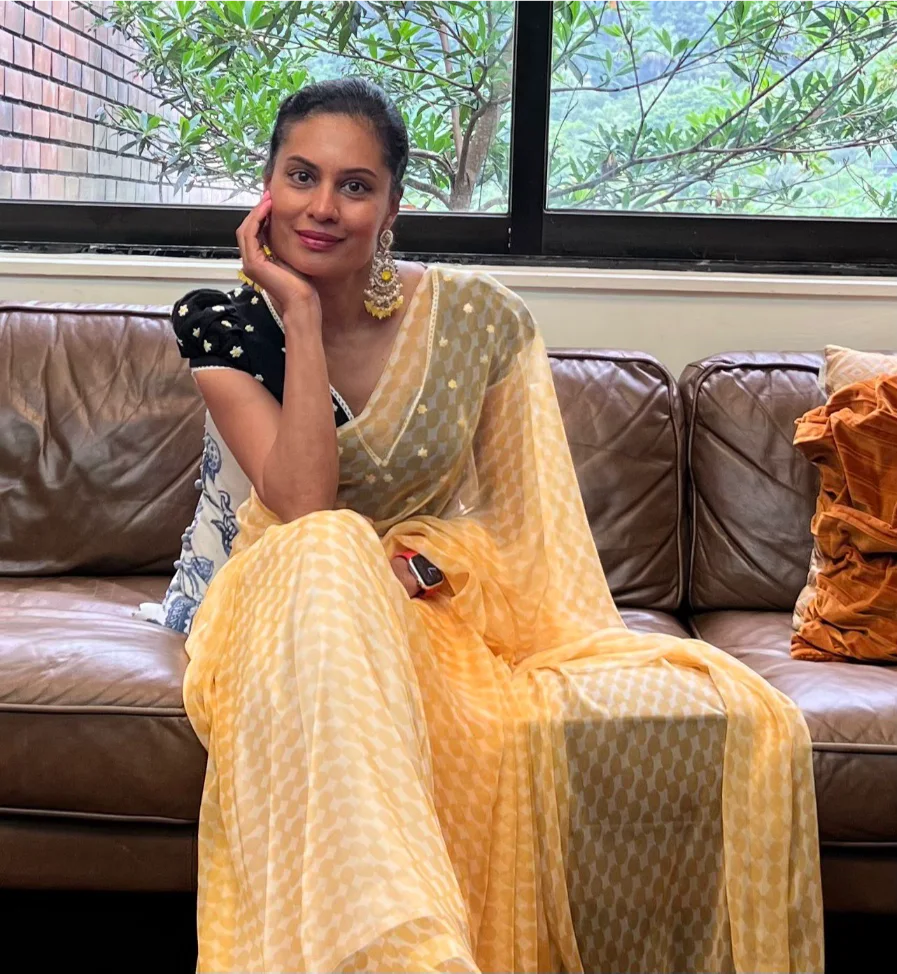
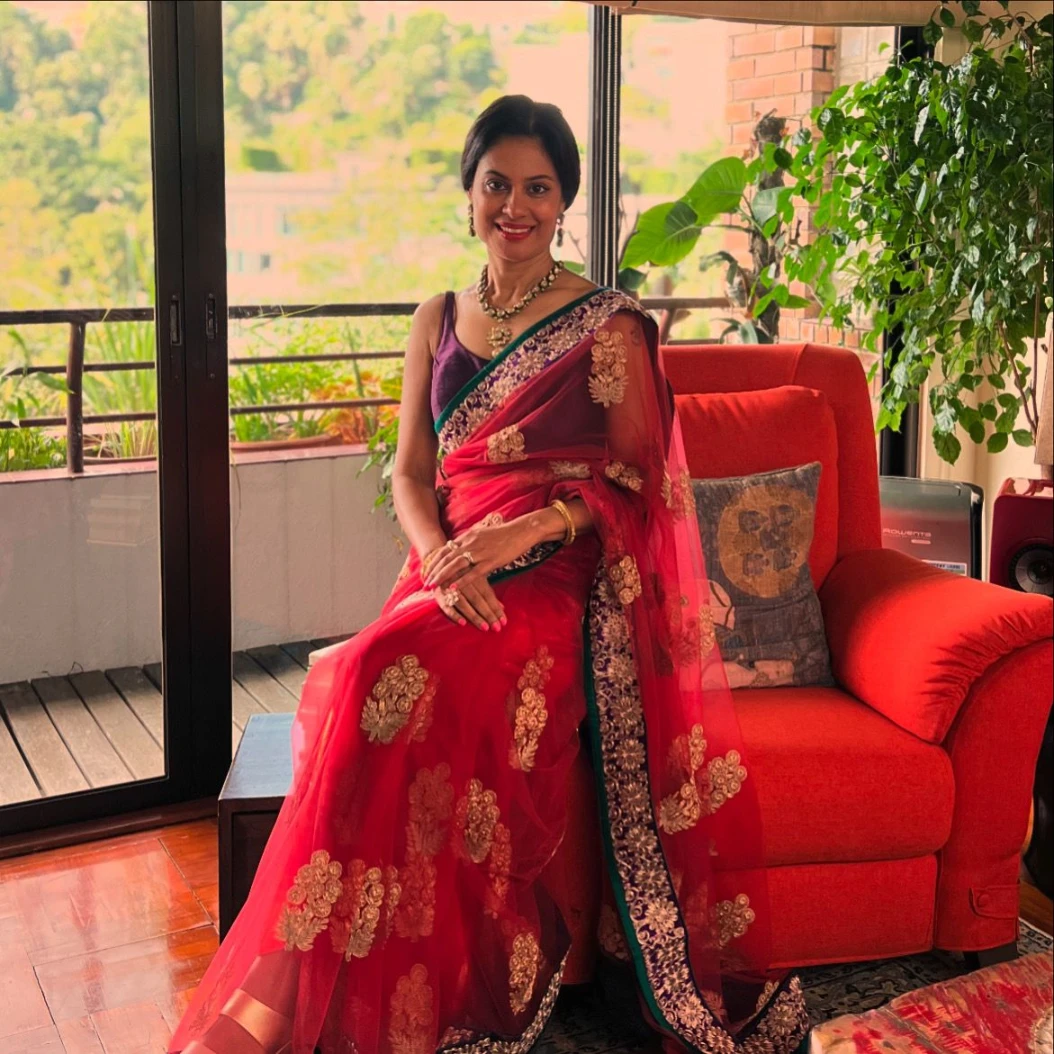
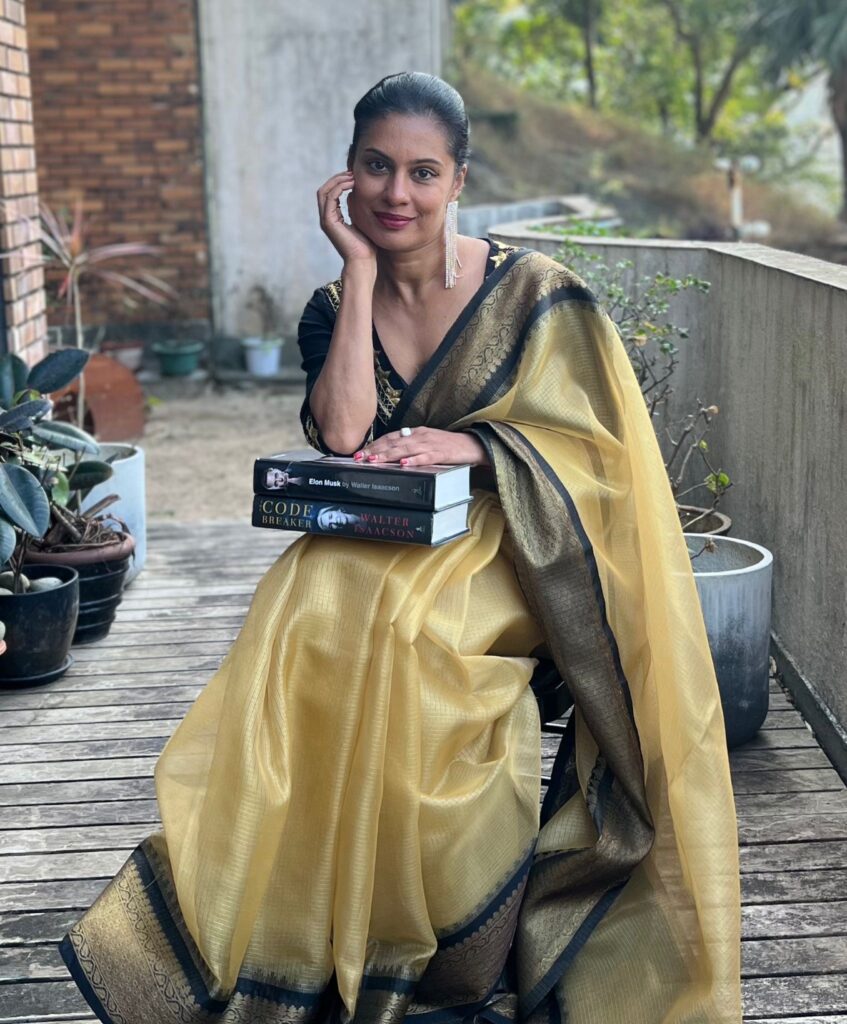
The recent rediscovery of my love for the saree is akin to falling for an old ex-flame. There is excitement, a tingling freshness to each caress and yet there is also the comfort and security of a shared past in every embrace.
My love affair with sarees began when I was around ten years old and I remember it was with a beautiful pink banarasi saree woven in with silver threads that my mother wore. I was thrilled to tag along with my grandmother as she went saree shopping, fascinated by the endless shelves in the saree shops piled with neatly folded colourful sarees,
entertained by the salespeople, who were always men, unfolding and draping the whole saree on themselves and amused by the haggling over the prices while countless cups of tea were consumed.
Soon college and work took over and sarees took a back seat. I would wear a saree a few times a year, on Diwali, a family wedding or on a special occasion. A few months back, while writing a feature on sarees for a publication, I started to research on this iconic garment. As I spoke with textile scholars in India about the origin and the evolution of the garment, I thought of my wedding trousseau (comprised of sarees), lying in a trunk, unopened for years.
I opened my trousseau box and took out all the sarees that my mother had collected for my wedding, 23 years ago. Hand woven sarees from different parts of India – the brocaded ‘Banarasis’ from Varanasi, the pure silk Kanjeevarams from Tamil Nadu, the Baluchari from West Bengal, among others. The old flame was rekindled. I started wearing them, one by one, for business meeting, for lunches, dinners and sometimes for no reason at all.
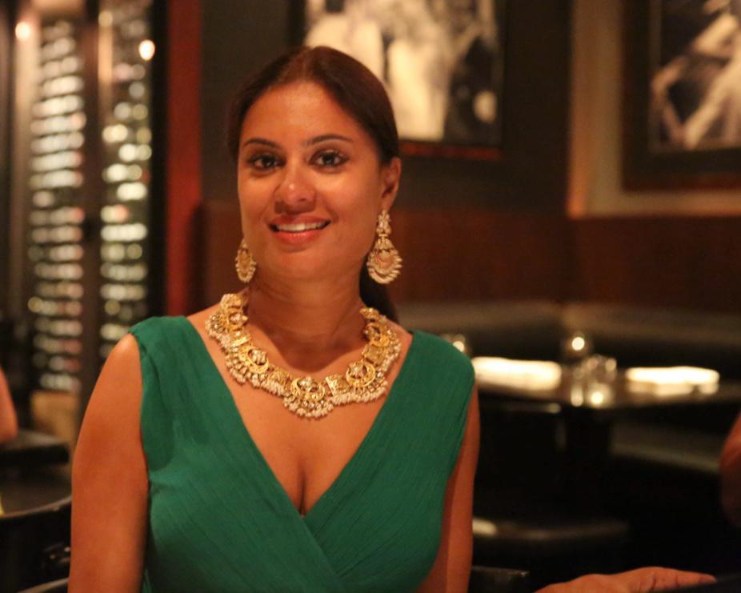
As I draped myself in the whole nine yards, I realized the amount of effort my mother had invested to curate this collection – different sarees from all across India, each saree with its own identity, traditional designs, motifs, and colours. I felt my mother’s love through these sarees. Most importantly, when I draped a saree, I felt beautiful, confident, feminine. Like a woman, ready to take on the world.

My First Job

My First Book Published

New York Marathon

1 November 2025